
Jun 1, 2026    | |   This post is also available in: Arabic

As Syria gradually reopens economically, regional businesses are increasingly exploring opportunities in sectors such as construction, infrastructure, telecommunications, transport, logistics, energy, and real estate. For many companies, Syria represents a potentially important post-conflict market with significant long-term demand. Yet Syria is not a conventional investment environment. Years of conflict, displacement, institutional collapse, and economic fragmentation mean that business activity will inevitably interact with broader questions of human rights, governance, and social stability. For regional businesses, this creates both responsibility and risk.

Experiences from post-conflict settings such as Iraq, Lebanon, and Bosnia and Herzegovina show that reconstruction processes can deepen inequality and instability when investment moves faster than governance reform. In many cases, poorly regulated reconstruction has contributed to corruption, labour exploitation, environmental harm, and exclusion of affected communities. Businesses operating in Syria should seek to avoid repeating these patterns.

A key starting point is heightened human rights due diligence. Companies entering the Syrian market should carefully assess who they partner with, how projects affect local communities, and whether operations could contribute to displacement, exploitation, or exclusion. Syria’s wartime economy reshaped ownership structures, supply chains, and local power dynamics. Without proper due diligence, businesses may expose themselves to legal, financial, reputational, and operational risks,or future disputes over property and procurement.

Housing, land, and property rights are particularly sensitive. Millions of Syrians remain displaced, while many others face unresolved property claims, missing documentation, or damaged records. Businesses involved in housing, redevelopment, or infrastructure projects should ensure that investments do not contribute to forced displacement or prevent communities from returning to their homes. Community consultation and transparency are essential, not only from a rights perspective, but also to mitigate future legal and operational risks.

Labour rights should also be treated as a core reconstruction issue. Syria’s economic collapse has increased vulnerability among workers. Companies that rely on unsafe conditions, exploitative wages, or unregulated labour may achieve short-term cost reductions, but they also increase reputational exposure and long-term instability. By contrast, businesses that invest in fair wages, safer working conditions, and local employment are more likely to build trust and sustainable operations over time.

Environmental responsibility is equally important. Conflict-related destruction has left Syria facing serious environmental and public health challenges, including pollution, damaged infrastructure, and unsafe rubble management. Businesses that integrate environmental safeguards into reconstruction projects are likely to face fewer community tensions, regulatory risks, and future liabilities.

Importantly, responsible business practices should not be viewed as obstacles to investment. In post-conflict settings, they are increasingly becoming commercial necessities. Companies associated with transparency, responsible partnerships, labour protections, and community engagement are more likely to attract international partners, maintain regional credibility, and navigate future regulatory changes successfully.

Syria’s reconstruction will shape the country’s social and economic future for decades. Regional businesses entering the market are therefore not only commercial actors; they are participants in a broader recovery process. Companies that ignore human rights risks may contribute to renewed instability and expose themselves to serious legal, political, and reputational consequences. Those that adopt more responsible approaches, however, are likely to be better positioned for long-term legitimacy, sustainability, and success in Syria’s evolving economy.

Written by: Eyad Hamid, Head of Human Rights & Business Unit, SLDP

Between Opportunities and Responsibilities: How Can Companies Invest Responsibly in Syria?

Jun 1, 2026    | |   This post is also available in: Arabic
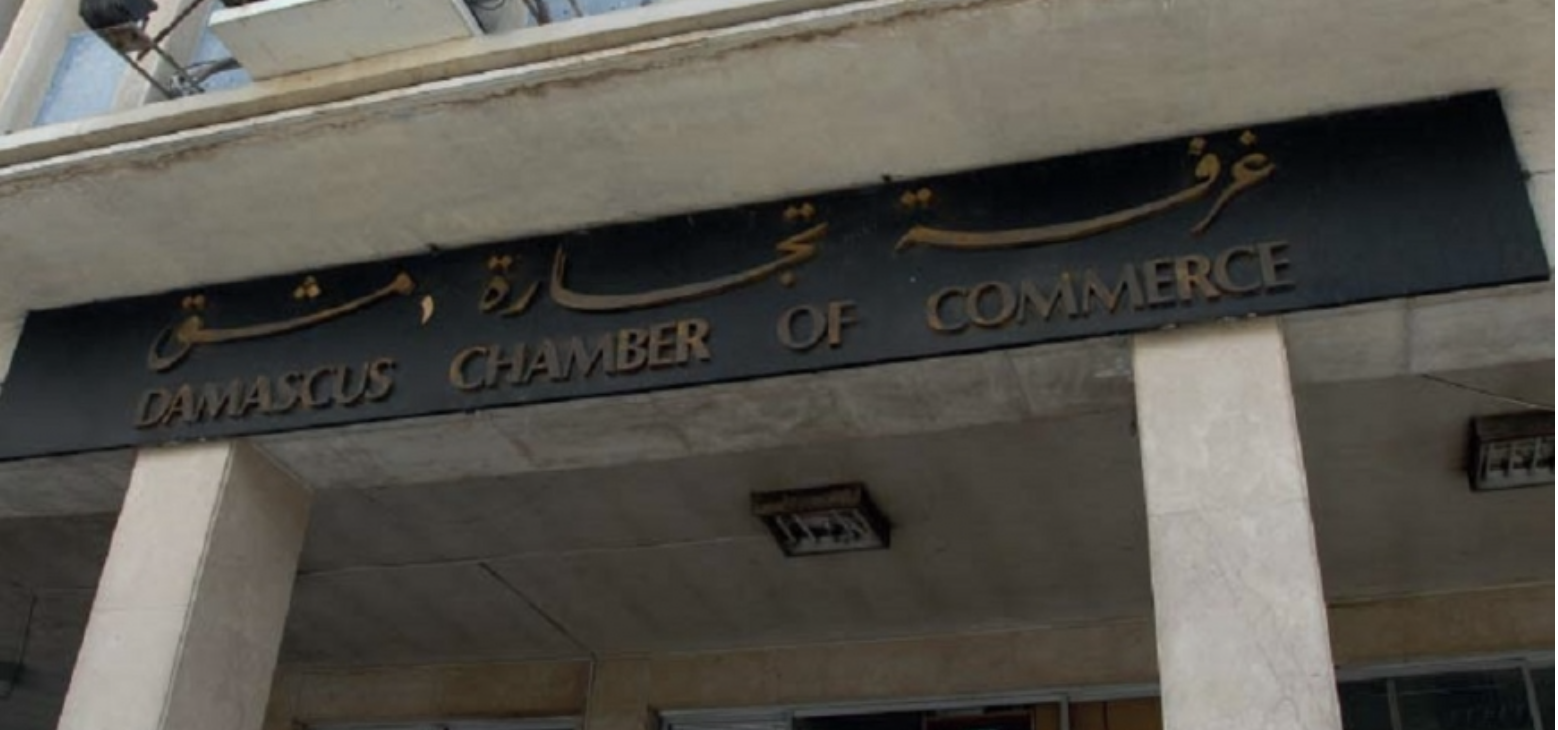
As Syria gradually reopens economically, regional businesses are increasingly exploring opportunities in sectors such as construction, infrastructure, telecommunications, transport, logistics, energy, and real estate. For many companies, Syria represents a potentially important post-conflict market with significant long-term demand. Yet Syria is not a conventional investment environment. Years of conflict, displacement, institutional collapse, and economic fragmentation mean that business activity will inevitably interact with broader questions of human rights, governance, and social stability. For regional businesses, this creates both responsibility and risk.

Experiences from post-conflict settings such as Iraq, Lebanon, and Bosnia and Herzegovina show that reconstruction processes can deepen inequality and instability when investment moves faster than governance reform. In many cases, poorly regulated reconstruction has contributed to corruption, labour exploitation, environmental harm, and exclusion of affected communities. Businesses operating in Syria should seek to avoid repeating these patterns.

A key starting point is heightened human rights due diligence. Companies entering the Syrian market should carefully assess who they partner with, how projects affect local communities, and whether operations could contribute to displacement, exploitation, or exclusion. Syria’s wartime economy reshaped ownership structures, supply chains, and local power dynamics. Without proper due diligence, businesses may expose themselves to legal, financial, reputational, and operational risks,or future disputes over property and procurement.

Housing, land, and property rights are particularly sensitive. Millions of Syrians remain displaced, while many others face unresolved property claims, missing documentation, or damaged records. Businesses involved in housing, redevelopment, or infrastructure projects should ensure that investments do not contribute to forced displacement or prevent communities from returning to their homes. Community consultation and transparency are essential, not only from a rights perspective, but also to mitigate future legal and operational risks.

Labour rights should also be treated as a core reconstruction issue. Syria’s economic collapse has increased vulnerability among workers. Companies that rely on unsafe conditions, exploitative wages, or unregulated labour may achieve short-term cost reductions, but they also increase reputational exposure and long-term instability. By contrast, businesses that invest in fair wages, safer working conditions, and local employment are more likely to build trust and sustainable operations over time.

Environmental responsibility is equally important. Conflict-related destruction has left Syria facing serious environmental and public health challenges, including pollution, damaged infrastructure, and unsafe rubble management. Businesses that integrate environmental safeguards into reconstruction projects are likely to face fewer community tensions, regulatory risks, and future liabilities.

Importantly, responsible business practices should not be viewed as obstacles to investment. In post-conflict settings, they are increasingly becoming commercial necessities. Companies associated with transparency, responsible partnerships, labour protections, and community engagement are more likely to attract international partners, maintain regional credibility, and navigate future regulatory changes successfully.

Syria’s reconstruction will shape the country’s social and economic future for decades. Regional businesses entering the market are therefore not only commercial actors; they are participants in a broader recovery process. Companies that ignore human rights risks may contribute to renewed instability and expose themselves to serious legal, political, and reputational consequences. Those that adopt more responsible approaches, however, are likely to be better positioned for long-term legitimacy, sustainability, and success in Syria’s evolving economy.

Written by: Eyad Hamid, Head of Human Rights & Business Unit, SLDP

Advisory Services Enquiry


Please enable JavaScript in your browser to complete this form.
Preferred Mode of Consultation:

This will close in 0 seconds

استفسار عن خدمات الاستشارات


Please enable JavaScript in your browser to complete this form.
طريقة التواصل المفضلة

This will close in 0 seconds