

Blogs and statements

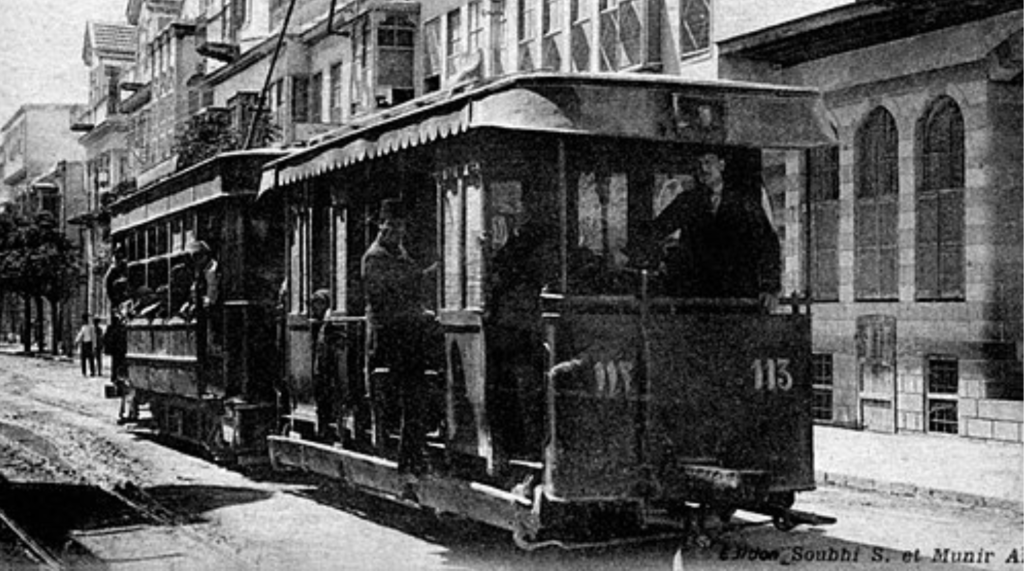
Levy Your Lira
Oct 15, 2026 | | This post is also available in: Arabic A Damascus tram, circa 1910. The city’s tramway, eventually operated by a Belgian company, became a target of the 1931 “electric boycott,” when Syrians refused to ride the trams or buy electricity in protest against French Mandate rule. Photo via Wikimedia Commons. Boycotts […]
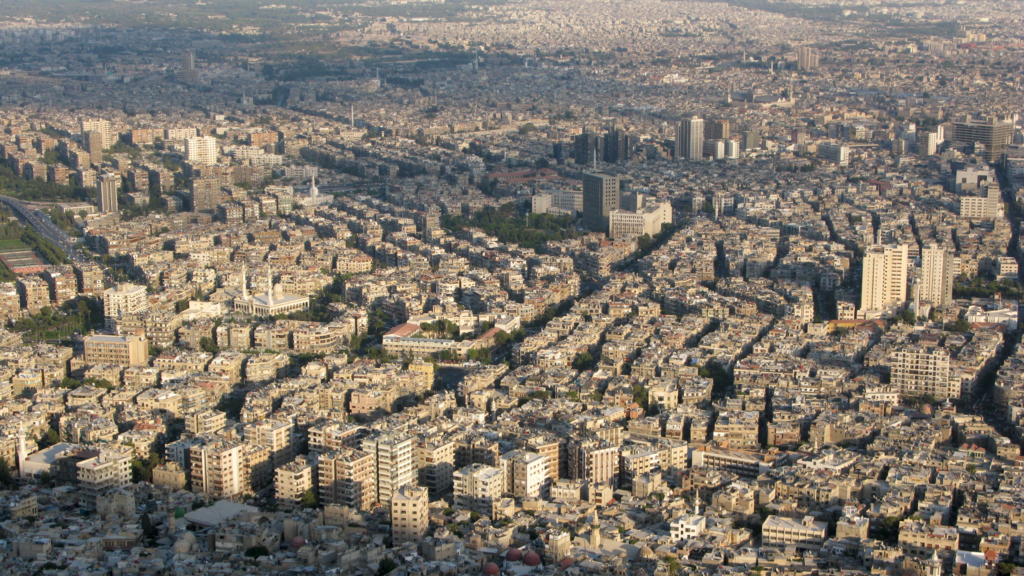
Turkish Companies in Syria’s Reconstruction: Human Rights Risks and the Accountability Gap
Oct 1, 2026 | | This post is also available in: Arabic Vyacheslav Argenberg / vascoplanet.com — CC BY 4.0, via Wikimedia Commons After more than a decade of conflict, Syria’s reconstruction is becoming a commercial reality. The World Bank estimates that rebuilding damaged physical assets could cost around USD 216 billion. Türkiye is likely […]
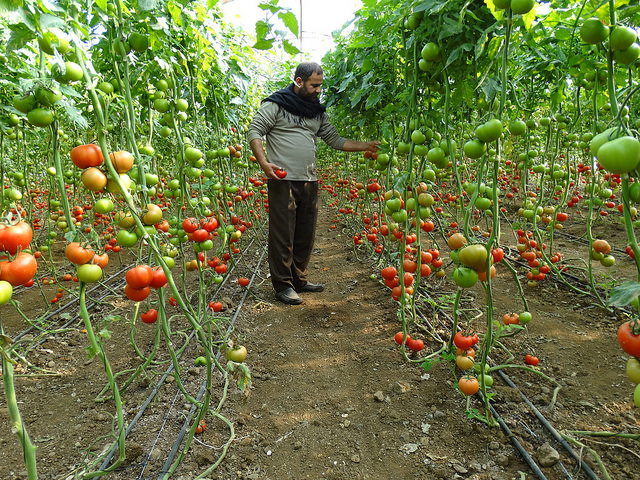
A Framework Already Within Reach: Why Syria Should Accede to the Aarhus Convention
Sep 15, 2026 | | This post is also available in: Arabic Syria has been marred by a plethora of environmental crises. Forests have been stripped bare by systematic logging, forest fires, and charcoal production. Recurrent droughts and the collapse of irrigation infrastructure have left communities without reliable water. Agricultural land has been eroded, taking […]
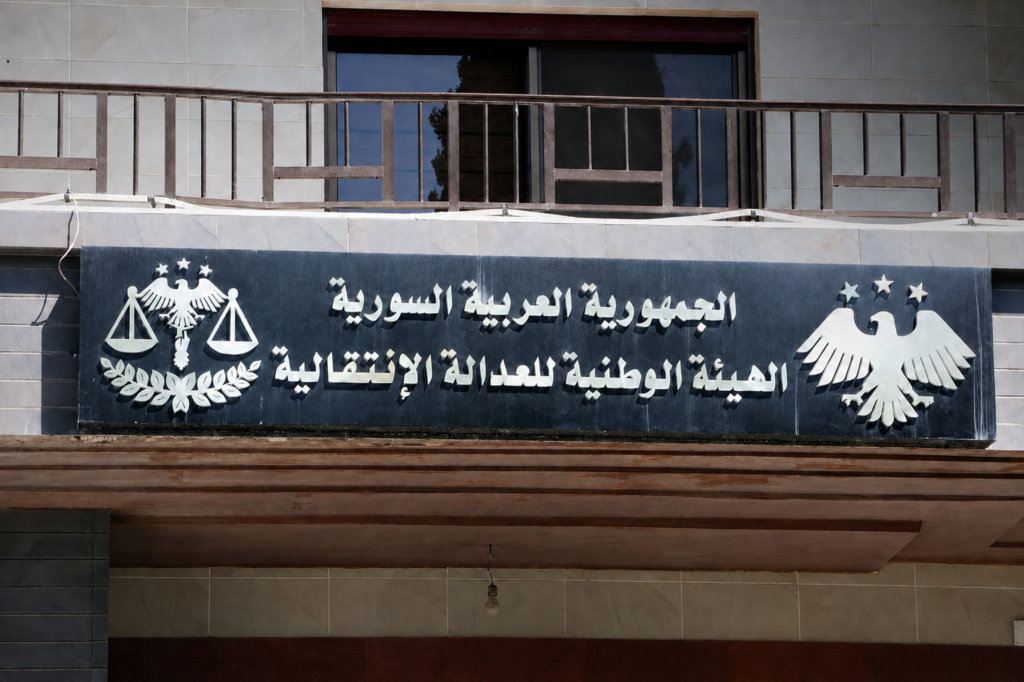
A Victims Fund for Syria: Turning Accountability into Reparative Justice
Sep 1, 2026 | | This post is also available in: Arabic The establishment of a victims fund should be central to Syria’s transitional justice process. The National Commission for Transitional Justice’s (NCTJ) efforts to create one deserve support, grounded in a clear principle: victims are rights-holders entitled to remedy and reparation, not merely beneficiaries […]
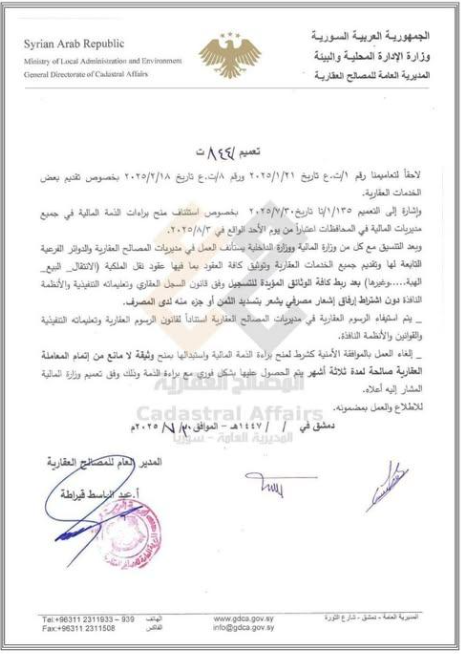
Syria’s “No Objection” Document: Have Security Approvals Really Ended?
Aug 15, 2026 | | This post is also available in: Arabic As Syria seeks, during its transitional period, to rebuild its institutions and policies, the regulation of property transfers has once again moved to the forefront of public debate. After years in which the sale and transfer of real estate were tied to obtaining […]
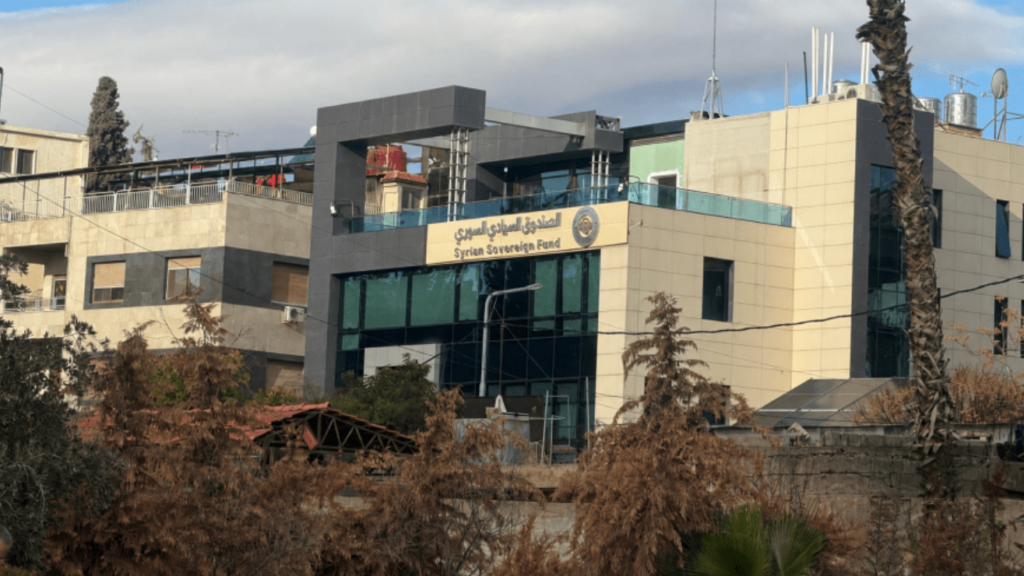
The Syrian Sovereign Fund: Who Is Managing the Economy of the Transition?
Aug 1, 2026 | | This post is also available in: Arabic The Syrian Sovereign Fund building in the Mazzeh neighborhood of Damascus – December 28, 2025 (Enab Baladi) The Syrian Sovereign Fund has become increasingly prominent in public debate following the launch of its website and the disclosure of some information about its structure, […]
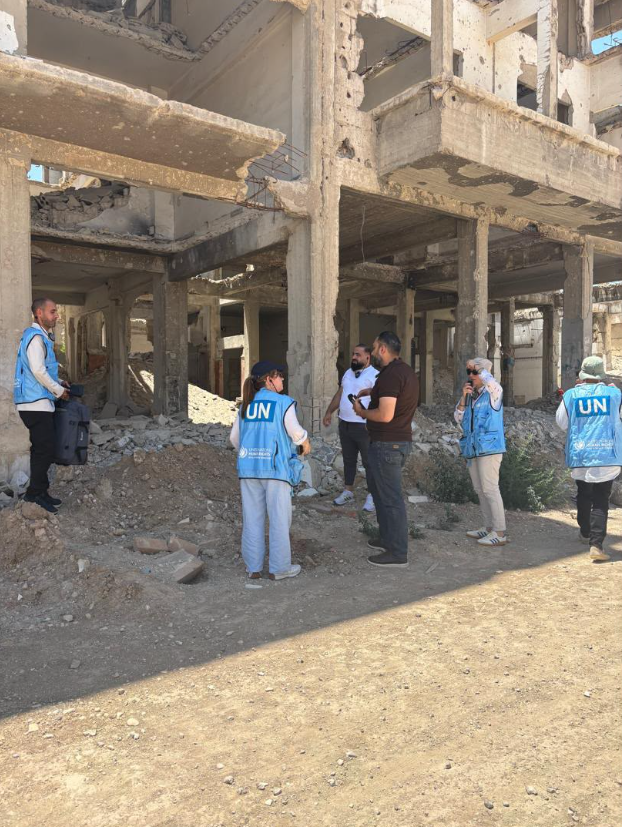
Taking Stock of SR on IDPs Visit to Syria: The Need for a National Policy Framework on Internal Displacement
July 27, 2026 | | This post is also available in: Arabic The visit of the United Nations Special Rapporteur on the Human Rights of Internally Displaced Persons (IDPs) to Syria took place from 10 to 21 July 2026, at a defining moment in the country’s transition. While the fall of the Assad regime in […]
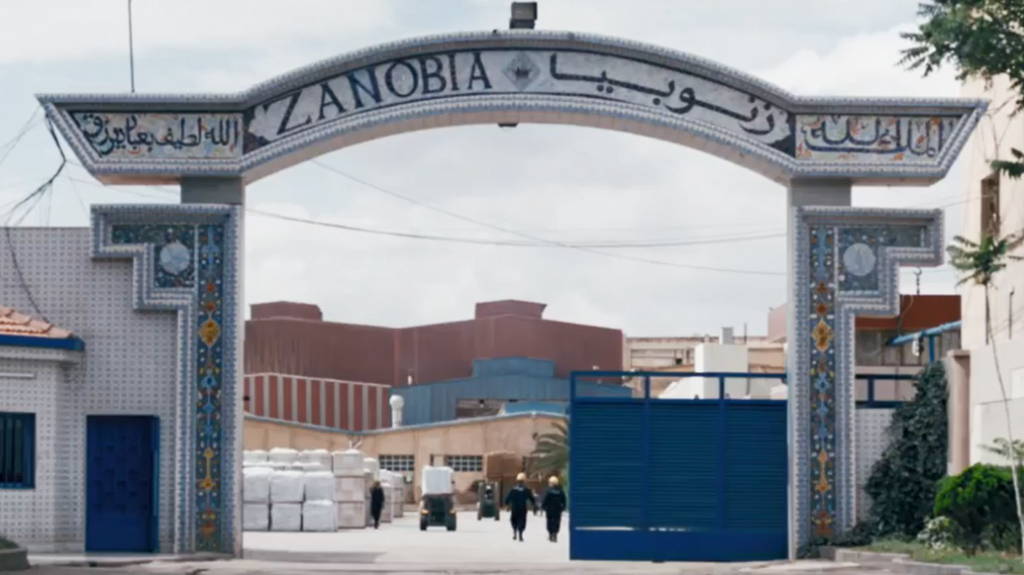
Labour law reform is central to Syria’s recovery
July 15, 2026 | | This post is also available in: Arabic Last month, Syria saw a wave of strikes across several private-sector companies. It began at a ceramics factory south of Damascus. Workers at Zanobiya Ceramics not only demanded higher pay, but also raised concerns about medical care, health insurance, first aid, and the […]
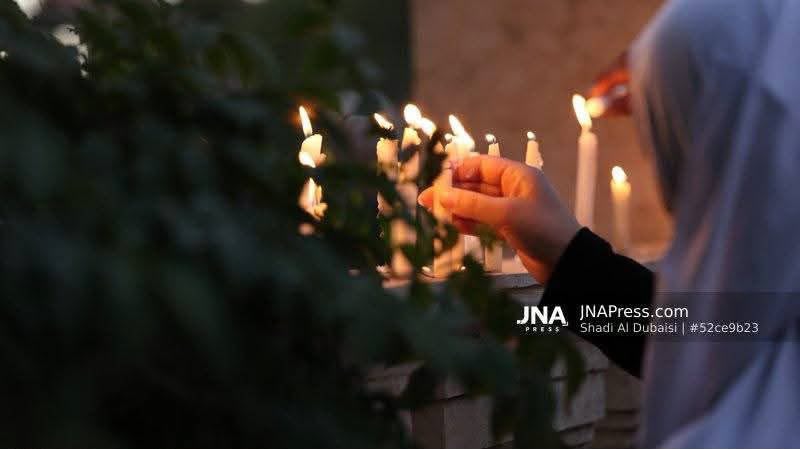
Sweida One Year On: Why A Victim-Centred Response to State Violence After Liberation is Essential
July 14, 2026 | | This post is also available in: Arabic One year ago, violence erupted in the Sweida governorate. What began as a local confrontation in the Maqwas neighborhood of Sweida city rapidly escalated into one of the deadliest episodes of violence since the fall of Assad. Based on CoI’s documentation, within three […]