(العربية) بيان منظمات المجتمع المدني والأفراد الموقّعون/ات بشأن توقيف ممثلي المتضررين من المرسوم 66

Closing the Corporate Accountability Gap: Lessons for Syria’s Transitional Justice Framework

Jun 15, 2026    | |   This post is also available in: Arabic

Syria’s transition into a new political reality has brought questions of transitional justice from the theoretical to the urgently practical. Who will be held accountable for the abuses of the past decade? What mechanisms will be capable of delivering meaningful redress? And critically, will accountability extend beyond armed individuals to the economic actors who enabled, financed, and profited from the mass atrocities of the last 15 years?

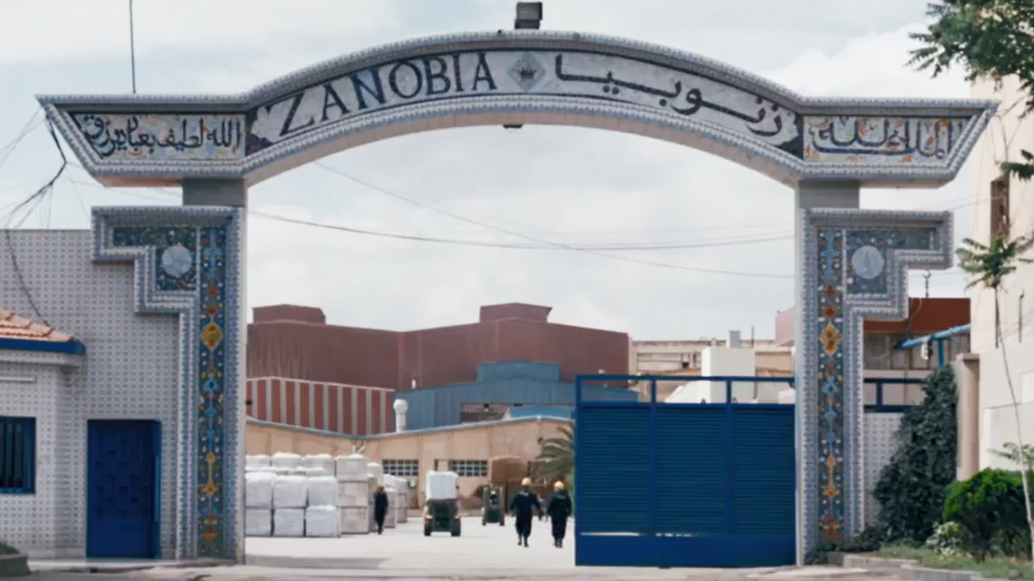
These questions are not novel. Post-conflict societies from Nuremberg to Bogotá have grappled with the role of businesses in sustaining violence, and the record is sobering. Earlier this year, the Paris Criminal Court found cement giant Lafarge guilty of financing terrorism and violating international sanctions for its operations in Syria. a landmark ruling that signals growing recognition of corporate entity complicity. Yet Lafarge remains the exception. A comparative review of five transitional justice settings — Germany, South Africa, Bosnia and Herzegovina, Colombia, and Sierra Leone — reveals a consistent pattern: whilst transitional justice frameworks have increasingly acknowledged the role of corporate actors in conflict, they have overwhelmingly failed to translate that acknowledgement into enforceable accountability. For Syria, learning from these failures is a design imperative.

A Gap That Keeps Reappearing

The “corporate accountability gap” reflects the deep roots of state-centric and individually-focused criminal law paradigms. The Nuremberg Military Tribunals are often cited as a foundational precedent, yet the historical record is more nuanced than this framing suggests. While corporations as legal entities were never formally prosecuted, leading industrialists were tried for financing the SS, profiting from slave labour, and sustaining the Nazi war economy. The dissolution of IG Farben demonstrated that corporate entities could be subject to punitive intervention even without formal criminal conviction. The real lesson of Nuremberg is not that corporate accountability is legally impossible, but that it must be actively constructed through tailored legal instruments — without which political and economic pressures will erode whatever gains are made. Many industrialist convictions were later reduced or commuted as Western powers prioritised reconstruction and geopolitical stability. For Syria, the parallel is direct: resisting pressure to normalise economic relations at the expense of accountability requires explicit legal safeguards built in from the outset.

Voluntary Participation

South Africa’s Truth and Reconciliation Commission and its 1997 Business and Labour Hearings formally acknowledged the role of corporations in sustaining apartheid. However, since corporate participation was voluntary and the TRC lacked enforcement powers, those findings produced no binding accountability or reparations. The subsequent Khulumani litigation illustrated both the possibilities and the severe limitations of relying on foreign jurisdictions to fill domestic gaps. When both the South African and US governments moved to obstruct the case, what resulted was a paralysis of accountability that left victims without remedy.

Colombia’s more recent experience reinforces the same lesson. Despite a sophisticated three-pillar transitional justice system, corporate actors remain subject only to voluntary participation. The Truth Commission’s final report documented how economic actors facilitated violence through land dispossession and contracts securing military protection for corporate infrastructure. However, without mandatory jurisdiction, documentation has not translated into accountability. The 2024 jury verdict against Chiquita Brands, the first time a US jury found a corporation liable for overseas human rights abuses, took seventeen years of litigation, showcasing why foreign proceedings cannot substitute for robust domestic mechanisms.

Overlooking the Local

Bosnia and Herzegovina offers a further cautionary tale, particularly relevant to Syria’s fragmented economic landscape. The International Criminal Tribunal for the Former Yugoslavia (ICTY) pursued individual criminal accountability with considerable rigour yet left the political economy of the conflict entirely unaddressed. The Dayton Agreement prioritised market reconstruction over accountability, enabling wartime elites to consolidate economic power in the post-war period. Most instructively, the framework’s omissions extended beyond large corporations to locally embedded economic actors, enterprises that materially enabled wartime violence but were never scrutinised. For Syria, where local businesses and networks played a significant role in sustaining regime abuses, a framework that focuses solely on high-level actors risks leaving intact the economic structures that enabled and benefited from the conflict.

What Syria Needs

The comparative record points toward several concrete design requirements for a Syrian transitional justice framework. The most fundamental is mandatory jurisdiction over economic actors. Across every case examined, voluntary participation produced the same result: documentation without accountability. Any Syrian mechanism must include compulsory jurisdiction over both corporate entities and individuals acting in a business capacity, insulated from political interference.

The framework must also address the full spectrum of economic complicity. Sierra Leone’s experience with diamond financing illustrates how conflict economies operate through layered, diffuse networks, while Bosnia demonstrates the consequences of overlooking local actors entirely. Civil society must be institutionally empowered rather than merely included: Colombia’s organisations such as Dejusticia and the Corporate Accountability Lab demonstrate what sustained advocacy can achieve. Syrian civil society, including diaspora organisations with considerable legal capacity, should be formally integrated into transitional justice mechanisms with the standing to make that participation substantive.

Syria’s transitional justice process is still being shaped. The choices made now about institutional design and the treatment of economic actors will determine whether accountability is genuinely achieved or, once again, deferred in favour of reconstruction and political expediency. Closing the corporate accountability gap is not a secondary concern. It is central to whether transitional justice in Syria will be meaningful at all.

Written by: Alia Khalouf, Legal Intern at HRBU, LSE LLB Graduate

Between Opportunities and Responsibilities: How Can Companies Invest Responsibly in Syria?

Jun 1, 2026    | |   This post is also available in: Arabic

As Syria gradually reopens economically, regional businesses are increasingly exploring opportunities in sectors such as construction, infrastructure, telecommunications, transport, logistics, energy, and real estate. For many companies, Syria represents a potentially important post-conflict market with significant long-term demand. Yet Syria is not a conventional investment environment. Years of conflict, displacement, institutional collapse, and economic fragmentation mean that business activity will inevitably interact with broader questions of human rights, governance, and social stability. For regional businesses, this creates both responsibility and risk.

Experiences from post-conflict settings such as Iraq, Lebanon, and Bosnia and Herzegovina show that reconstruction processes can deepen inequality and instability when investment moves faster than governance reform. In many cases, poorly regulated reconstruction has contributed to corruption, labour exploitation, environmental harm, and exclusion of affected communities. Businesses operating in Syria should seek to avoid repeating these patterns.

A key starting point is heightened human rights due diligence. Companies entering the Syrian market should carefully assess who they partner with, how projects affect local communities, and whether operations could contribute to displacement, exploitation, or exclusion. Syria’s wartime economy reshaped ownership structures, supply chains, and local power dynamics. Without proper due diligence, businesses may expose themselves to legal, financial, reputational, and operational risks,or future disputes over property and procurement.

Housing, land, and property rights are particularly sensitive. Millions of Syrians remain displaced, while many others face unresolved property claims, missing documentation, or damaged records. Businesses involved in housing, redevelopment, or infrastructure projects should ensure that investments do not contribute to forced displacement or prevent communities from returning to their homes. Community consultation and transparency are essential, not only from a rights perspective, but also to mitigate future legal and operational risks.

Labour rights should also be treated as a core reconstruction issue. Syria’s economic collapse has increased vulnerability among workers. Companies that rely on unsafe conditions, exploitative wages, or unregulated labour may achieve short-term cost reductions, but they also increase reputational exposure and long-term instability. By contrast, businesses that invest in fair wages, safer working conditions, and local employment are more likely to build trust and sustainable operations over time.

Environmental responsibility is equally important. Conflict-related destruction has left Syria facing serious environmental and public health challenges, including pollution, damaged infrastructure, and unsafe rubble management. Businesses that integrate environmental safeguards into reconstruction projects are likely to face fewer community tensions, regulatory risks, and future liabilities.

Importantly, responsible business practices should not be viewed as obstacles to investment. In post-conflict settings, they are increasingly becoming commercial necessities. Companies associated with transparency, responsible partnerships, labour protections, and community engagement are more likely to attract international partners, maintain regional credibility, and navigate future regulatory changes successfully.

Syria’s reconstruction will shape the country’s social and economic future for decades. Regional businesses entering the market are therefore not only commercial actors; they are participants in a broader recovery process. Companies that ignore human rights risks may contribute to renewed instability and expose themselves to serious legal, political, and reputational consequences. Those that adopt more responsible approaches, however, are likely to be better positioned for long-term legitimacy, sustainability, and success in Syria’s evolving economy.

Written by: Eyad Hamid, Head of Human Rights & Business Unit, SLDP

Privatization & Human Rights: Risks in Syria’s Healthcare Debate

May 15, 2026    | |   This post is also available in: Arabic

In early April 2026, statements by Talal Al-Hilali, head of the Syrian Investment Authority, set off a wave of public alarm. Al-Hilali indicated that the state owns 71 public hospitals and is moving toward granting them to the private sector in partnership with the state, as part of an effort to develop the health sector and improve its efficiency. The backlash was swift, and clarification followed. The Syrian Investment Authority stressed that “health is not for sale”, insisting the comments were not about privatising hospitals but about studying modern management models in partnership with the private sector, with the state remaining “the primary guarantor of treatment”. Syria’s Minister of Health similarly affirmed that medical services will remain free of charge and that there are no plans to privatise public hospitals.

The controversy subsided, but the question it raised did not. Even where full privatisation is off the table, public–private partnerships in healthcare are not without risk. In a country still rebuilding both its institutions and its social contract, those risks warrant serious scrutiny.

What Syrians Think

Public opinion is unambiguous. An April 2026 survey conducted across Damascus, Rural Damascus, and Homs found that 88% of respondents oppose transferring state-run hospitals to the private sector. This is not simply a policy preference–it reflects a population that has endured years of infrastructure collapse, displacement, and the erosion of public services, and which is watching closely to see whether the interim authorities will rebuild the state or hollow it out further.

Satisfaction with public services has dropped sharply since February 2026, falling from 49% to 25%, while dissatisfaction has more than doubled. A combined 62% of respondents report difficulties covering living expenses, and only 13% believe the government is doing enough to address price increases. In this context, any move that could indirectly raise the cost of healthcare, degrade its quality, or restrict its access, is not an abstract concern, but rather a matter of survival.

The Right to Health Under International Law

Healthcare is a human right. Article 12 of the International Covenant on Economic, Social and Cultural Rights (ICESCR) recognises the right of everyone to the enjoyment of the highest attainable standard of physical and mental health. Under General Comment No. 14, the Committee on Economic, Social and Cultural Rights has interpreted this to require that health services be available, accessible, acceptable, and of adequate quality. Crucially, accessibility includes economic accessibility: services must be affordable for all, including the most marginalised.

Under international law, the state bears the primary responsibility to respect, protect, and fulfil this right. This obligation cannot be discharged or delegated to private actors.

The Risks of Private Sector Involvement

Even short of full privatisation, public–private partnerships in healthcare carry well-documented risks.

Profit over people: When healthcare institutions operate under commercial incentives, efficiency tends to be measured in financial terms rather than health outcomes. Services that are costly to provide but essential to vulnerable groups, such as chronic disease management or reproductive health, become liabilities rather than priorities.

Access barriers: Introducing cost-recovery mechanisms, even modest ones, creates access barriers. Analysts have cautioned that without clear ceilings on costs that citizens may have to bear, improving service delivery can become a pretext for imposing additional financial burdens, deepening inequality in access to care.

Digitalisation and exclusion: Syria’s interim authorities have indicated plans to expand digital transformation in the health sector, linking hospital data to improve planning. This is not inherently problematic, but it carries risk. Communities with limited digital literacy, connectivity, or formal documentation risk being excluded or exploited rather than served.

Quality reduction: Privatisation or commercialised management can also result in a degradation of service quality, as providers cut costs to maximise returns. This directly undermines the full realisation of the right to health, in violation of the state’s obligations under international human rights law.

The Broader Danger: Outsourcing Obligation

There is a wider structural risk that deserves attention, particularly as Syria begins engaging with international investment frameworks and reconstruction finance. Scholars have described the emergence of a ‘development as de-risking’ paradigm in which states are gradually reoriented toward protecting the conditions for foreign investment, using public resources to subsidise investor returns, while retreating from the direct provision of public goods. Health, education, water, housing all become potential “asset classes”.

This paradigm is manifest across sub-Saharan Africa, where the privatisation of health systems, through user fees, insurance schemes, and private investment platforms, has deepened inequality and weakened public health infrastructure. Digital health tools have in some instances become surveillance mechanisms, enabling insurers to adjust premiums based on patient data. These outcomes were the structural consequence of a model that places financial returns above public obligation.

The Syrian authorities have given reassurances. But reassurances are not frameworks. Experts have emphasised that the success of any private-sector involvement in public institutions depends on a clear legal framework governing the relationship between the state and investors, transparency in contracts, and effective oversight to prevent monopolies and protect citizens’ rights. In their absence, privatisation can shift from a tool for improving efficiency into a factor that increases burdens on citizens and deepens inequality.

At this critical moment in Syria’s transition, any outsourcing of the state’s human rights obligations, whether through formal privatisation or through the incremental erosion of public provision, would only further undermine trust in state institutions. It would constitute a dereliction of the duty that the current transition exists to fulfil.

What We Are Calling For

The transitional authorities must ensure that any engagement with the private sector in healthcare is:

* Grounded in a binding legal framework that explicitly protects the right to health;
* Subject to independent oversight, with transparent contracts and genuine accountability mechanisms;
* Designed to guarantee that no patient is denied care on financial grounds, nor provided inadequate, inaccessible, or unacceptable services, in line with Syria’s obligations under the ICESCR; and
* Assessed for its differential impact on the most vulnerable, including women, displaced persons, persons with disabilities, and those in low-income areas.

Written by: Alreem Kamal, Legal Officer, Human Rights & Business Unit

Syrian Civil Society Groups Propose Framework for Effective Criminal Accountability Amid Ongoing Trials

May 12, 2026    | |   This post is also available in: Arabic

12 May 2026: A coalition of 27 Syrian civil society organisations and victims’ groups has released a new report outlining a proposed framework for criminal accountability in Syria, at a time when trials are beginning to take place in Damascus.

The report, Pathways to Criminal Accountability in Syria, brings together the perspectives of Syrian legal experts, victims’ and survivors’ groups, and civil society actors following an eight-month consultative process.

It sets out a practical framework for pursuing accountability that is credible, inclusive, and aligned with international standards, including key considerations related to legal characterisation of crimes, procedural safeguards, and meaningful victim participation.

The release comes at a critical moment, as initial steps towards criminal accountability are being taken inside Syria. While these developments are welcomed as a long-awaited shift after years of impunity, Syrian civil society organisations have expressed concerns regarding how these processes should be conducted, including their legal framing and safeguards.

The report outlines key elements for credible accountability processes, including:
• characterisation of crimes in alignment with international law
• robust procedural safeguards in accordance with fair trial standards
• meaningful victim participation
• practical recommendations for national and international actors

“The report reflects a shared effort by Syrian civil society and victims’ groups to articulate what credible accountability should look like at this stage,” said representatives of the participating Syrian civil society and victims’ organisations. “At a time when processes are beginning to take shape, it is critical that they are grounded in principles that ensure justice for victims and long-term legitimacy.”

The report is intended to support more informed engagement by international actors, including the United Nations, the European Union, and key states, as they engage with these developments.
________________________________________
Notes to editors
Spokespeople are available for interviews in Arabic and English.

For media inquiries, please contact:
• media@thesyriacampaign.org
• communication@scm.ngo

Position Paper On the Transitional Justice Process and Cooperation with the National Transitional Justice Commission

April 27, 2026    | |   This post is also available in: Arabic

The undersigned Syrian victims’ associations and civil society organizations affirm that transitional justice constitutes a fundamental pillar of any serious path toward building sustainable peace and stability in Syria. It is impossible to envision a genuine political and social transition toward a state based on equal citizenship, rights and duties, and the rule of law without addressing the legacy of gross human rights violations and guaranteeing the rights of all victims—without discrimination—to truth, justice, accountability, reparations, and guarantees of non-recurrence. They also affirm that the transitional justice process must recognize victims as equal citizens—regardless of the parties or individuals responsible for the violations committed against them—and must be grounded in their active participation in shaping their future.

The group believes that the meaningful participation of civil society and victims’ associations is not merely a technical or advisory contribution, but rather an inherent right, as they are direct stakeholders and active actors with legitimate standing in designing the future of justice in the country. Accordingly, the coalition of Syrian associations and organizations initiated a broad consultation and review process of the draft law and related policies on transitional justice. They submitted their expertise and observations to the National Transitional Justice Commission to ensure the inclusiveness of the process and to contribute to the development of a legal framework that reflects international best practices in transitional justice while aligning with the local Syrian context. This expertise builds on years of accumulated joint work supporting this path, including recent efforts to formulate a shared vision for transitional justice in Syria and the launch of the document “General Principles on Justice, Truth, and Equity” in September 2025.

While emphasizing that the success of the transitional justice process requires genuine openness from transitional justice bodies and institutions to the expertise of civil society and victims’ associations, and also requires ensuring the effective participation of victims and their representatives at all stages of designing and implementing transitional justice pathways, the group prepared a detailed memorandum exceeding seventy pages of legal, technical, and operational observations on the draft law and submitted it in writing to the Commission. This memorandum focused on several core issues related to the effectiveness and inclusiveness of the transitional justice process. Among the most important points emphasized were:
1. The law must be written in precise, neutral legal language with clearly defined terminology and must completely avoid any political language, expressions, or terms that create political narratives affecting legal neutrality.
2. The law must adopt an objective and comprehensive definition of transitional justice that includes all gross human rights violations, regardless of the parties or individuals responsible for them or suspected of committing them. The law must recognize the complex nature of the armed conflict in Syria and the multiplicity of parties involved, ensuring that violations committed by all such parties are addressed without discrimination, and must not limit the scope of transitional justice to crimes “caused by the Assad regime.”
3. The law must explicitly provide a comprehensive definition of victims that ensures recognition of all of them and guarantees their equal enjoyment of the rights resulting from that status, without exclusion or discrimination in access to truth, justice, and reparations, regardless of the parties or individuals responsible for the violations, or whether those responsible have been identified.
4. The temporal scope of the law must be expanded to include all crimes and violations committed after 8 December 2024 until the adoption of a permanent constitution for the country, preventing any legal vacuum in addressing gross violations during the transitional period. It should also include, through some transitional justice mechanisms—particularly the right to truth, recognition, and memorialization—violations whose roots go back to before 1970, ensuring that the historical context of these violations is not overlooked.
3. The law must include clear provisions guaranteeing the effective and meaningful participation of victims, their families, victims’ associations, and civil society organizations in all stages of the transitional justice process, including participation in decision-making, the design of relevant policies and mechanisms, and their implementation, follow-up, and monitoring.
6. The law must include clear legal guarantees ensuring the institutional independence of the National Commission for Transitional Justice and the independence of its members, along with clear mechanisms for appointment, dismissal, and replacement, and a precise definition of its relationship with the executive and judicial branches to ensure cooperation without subordination or interference. It must also establish clear organizational rules for distributing competencies among the various committees and units within the Commission and define lines of responsibility and coordination to prevent overlap and conflict.
7. The law must explicitly provide for full compliance with and supremacy of international law in interpreting and applying its provisions, including respect for victims’ rights, judicial independence, fair trial standards, the definition of crimes and criminal responsibility according to international law, the prohibition of the death penalty, and recognition of enforced disappearance as a distinct international crime.
8. A gender-sensitive approach must be adopted across all components of transitional justice, including ensuring equal participation and representation of women and appropriate responses to the harms they have suffered.

At the same time, the undersigned associations and organizations express concern regarding the handling of certain issues related to gross violations, reparations, accountability, or political settlements outside the framework of transitional justice and through mechanisms separate from it, in the absence of clarity, transparency, and a governing legal framework for such procedures. This could lead to the politicization of the entire process and reinforce impunity.

They emphasize the importance of addressing all issues related to truth-seeking, accountability, and reparations within an integrated transitional justice framework that guarantees respect for victims’ rights, strengthens the principles of transparency and accountability, contributes to building public trust in the transitional justice process and its institutions as well as state institutions, and ensures complementarity of roles.

They also stress that the success of the transitional justice process requires the National Commission for Transitional Justice to adopt a clear and explicit approach that considers civil society and its institutions as essential partners in making this process succeed, and to ensure the protection of civic space beyond its own processes. The undersigned organizations express concerns at the challenges and risks faced by civil society as a result of attempts by other entities to restrict or constrain civic space through burdensome and obstructive administrative, security, or political measures. They affirm that the future Syria must refrain from any practices that reproduce the patterns of exclusion that paved the way for the painful past violations suffered by Syrians, as such protection constitutes a structural condition for guaranteeing non-recurrence. This makes it imperative for the National Commission for Transitional Justice to be the first body to demand and work toward such protection, including by demanding reform and the end of such practices as part of guarantees of non-recurrence.

In conclusion, the undersigned associations and organizations affirm that transitional justice is not merely a legal framework or a formal governmental process, but rather a long-term political and social process that requires serious political will and allows for civil, political, and social interaction serving the interests of a transitional justice path that addresses the legacy of violations, delivers justice to victims, rebuilds the relationship between the state and society on the basis of trust, accountability, and mutual recognition, and lays the foundations for a future based on justice, dignity, and the rule of law.

From this perspective, the undersigned associations and organizations affirm that they will continue to play their role in following up on and monitoring this process and in providing the knowledge and expertise necessary to support the development of the legal and institutional framework for transitional justice in Syria in a way that enhances its effectiveness and inclusiveness. They also call on the National Commission for Transitional Justice, in this context, to commit to the following:

1. Adopting and publishing a comprehensive strategy or action plan within a clear timeframe that defines objectives, priorities, implementation phases, and indicators for measurement, ensuring transparency and participation and enabling systematic tracking of progress and performance evaluation.
2. Establishing regular and transparent mechanisms for evaluation and review, including publishing periodic reports on progress and challenges, including a report explaining the level of progress and challenges since the establishment of the Commission up to date, in a way that makes information available to the public and strengthens transparency, accountability, and oversight.
3. Establishing regular, transparent, and formal mechanisms for communication, consultation, and coordination between the Commission and civil society and victims’ associations, ensuring that they are informed sufficiently in advance about the course of work and are able to participate in the development of relevant policies, laws, and procedures.

Signatory organisations:
1. The Day After
2. Truth and Justice Charter
3. Syrian Center for Media and Freedom of Expression
4. Women Now for Development
5 Seen for Civil Peace
6. Syrian Legal Development Programme
7. Dawlaty
8. Bidayetna
9. Syrians for Truth and Justice
10. Adalaty
11. Transformative Pathways
12. Dar Justice
13. The Syria Campaign
14. Syrian Archive
15. Badael
16. Free Syrian Lawyers Association
17. Justice for Life
18. Lawyers and Doctors for Human Rights


Rebuilding Syria: Why Reconstruction Must Be Human Rights-Centred

April 15, 2026    | |   This post is also available in: Arabic

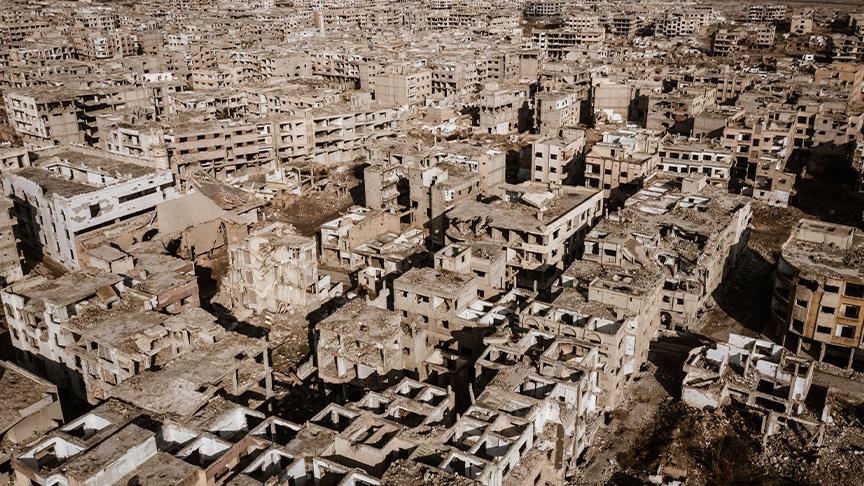
After more than a decade of conflict, Syria is entering a phase where reconstruction is no longer a distant prospect but an emerging reality. Cities and towns across the country bear the marks of prolonged violence and economic collapse. The scale of destruction is immense, and so too is the urgency of rebuilding. Yet reconstruction in Syria is not simply a technical or financial challenge. It is, fundamentally, a political and social process that will shape the country’s future for decades to come.

Reconstruction is not only about restoring infrastructure; it is about redefining the relationship between citizens, institutions, and the economy. If approached without adequate safeguards, it risks entrenching the very patterns of exclusion, corruption, and dispossession that contributed to the uprising in the first place. For this reason, Syria’s reconstruction must be guided by a human rights-centred approach, one that places accountability, inclusion, and the protection of rights at the heart of recovery.

Comparative experiences underscore the stakes. In Iraq, reconstruction was undermined by corruption and weak institutional oversight, eroding public trust. In Bosnia and Herzegovina, reconstruction reinforced ethnic divisions embedded in governance and property systems. In Lebanon, redevelopment prioritized elite interests, producing exclusion and inequality. Meanwhile, in Afghanistan, large-scale investment failed to build accountable institutions or deliver equitable outcomes. These cases point to a consistent lesson: reconstruction that neglects rights and governance risks reproducing instability rather than resolving it.

The Central Risk: HLP Rights and the Politics of Reconstruction

In Syria, the most immediate and consequential risks of reconstruction are concentrated around housing, land, and property (HLP) rights. Millions of Syrians have been displaced, many of whom lost homes, land, or the documentation needed to prove ownership. In this context, reconstruction without clear restitution and compensation mechanisms risks formalizing dispossession on a large scale.

Developments in Damascus offer a critical warning. The framework established under Decree 66 illustrates how redevelopment can transform areas of informal ownership into formalized investment zones through complex shareholding systems. In practice, these systems have proven inaccessible to many original residents, particularly those displaced or lacking documentation. What appears as urban planning can therefore operate as a mechanism for restructuring property relations in ways that exclude former inhabitants.

More recent controversies in Jobar and Qaboun suggest that similar dynamics persist. Proposals to redevelop these heavily damaged districts have raised concerns among displaced residents that reconstruction will proceed without meaningful guarantees for return, restitution, or fair compensation. Planning processes have advanced with limited transparency, reinforcing perceptions that redevelopment prioritizes large-scale investment over the inalienable rights of affected communities.

These dynamics are rooted in longer-standing patterns. Under Assad, legal and planning frameworks were used not simply to regulate urban development, but to exercise control over populations and territory. Laws enabled the reclassification and redevelopment of areas in ways that facilitated land seizure, often affecting communities already marginalized by displacement or perceived political affiliation.

At the same time, the Assad regime refrained from formalizing large informal neighbourhoods that expanded with urban growth and migration. As a result, significant segments of the population remained without secure property rights or legal recognition. These areas were often deprived of services and protections, while remaining subject to administrative and security control. During the conflict, many of these communities bore a disproportionate cost, further deepening their vulnerability.

Crucially, these patterns have been reinforced by limited transparency and weak public oversight. The role of Damascus Governorate in projects linked to Decree 66, as well as more recent planning in Jobar and Qaboun, has been marked by restricted access to information, unclear decision-making processes, and minimal opportunities for affected communities to participate or challenge redevelopment plans. In such conditions, reconstruction risks reinforcing governance practices in which law becomes a tool not only for urban development, but for managing populations and consolidating economic and political control.

Without a human rights-centred approach, these dynamics are likely to persist, embedding dispossession, exclusion, and inequality into the very foundations of reconstruction.

In addition, reconstruction involves large financial flows, procurement processes, and public-private partnerships. In contexts where institutions remain weak or opaque, these processes are particularly vulnerable to corruption and elite capture. In Syria, where politically connected business networks have long shaped economic life, reconstruction could reinforce these dynamics unless meaningful safeguards are introduced.

Corruption in reconstruction is not merely a technical issue. It has direct human rights implications. When resources are diverted or misallocated, the state’s ability to provide essential services, healthcare, education, housing, and infrastructure, is undermined. In this sense, corruption becomes a barrier to the realization of economic and social rights.

Reconstruction also risks deepening inequalities. Large-scale projects may concentrate investment in select areas while neglecting communities most affected by displacement and destruction. Without deliberate efforts to ensure inclusive development, reconstruction may produce uneven recovery, creating visible zones of redevelopment alongside persistent marginalization.

What a Human Rights-Centred Approach Requires

A human rights-centred reconstruction process integrates international human rights standards into economic recovery. It treats reconstruction not as an end in itself, but as a means of building a more just, inclusive, and accountable society.

Participation is essential. Communities affected by conflict and displacement must be meaningfully involved in decisions regarding redevelopment, housing, and local economic planning. Without participation, reconstruction risks reflecting the priorities of political and economic elites rather than the needs of residents.

Transparency and accountability are equally critical. Open procurement processes, accessible public records, and independent oversight mechanisms are necessary to prevent corruption and ensure that reconstruction resources are used in the public interest. This also requires strengthening institutions capable of investigating abuses and resolving disputes.

At the centre of any credible reconstruction strategy must be the protection of HLP rights. This includes mechanisms for restitution, compensation, and dispute resolution that are accessible to displaced populations, including refugees. Without such safeguards, reconstruction risks locking in patterns of dispossession and undermining prospects for return and reconciliation.

The role of the private sector is also important. Ensuring responsible business conduct requires adherence to international standards, including the UN Guiding Principles on Business and Human Rights. This entails conducting human rights due diligence and addressing potential and actual adverse human rights impacts.

Reconstruction in Syria is not a neutral or purely technical process. It reflects choices about who benefits, who participates, and whose rights are protected. The patterns already visible in Damascus, particularly around housing, land, and property rights, offer a clear warning of how reconstruction can entrench exclusion if left unchecked.

A human rights-centred approach does not stand in opposition to reconstruction; it is a prerequisite for its success. By embedding principles of inclusion, transparency, and accountability, Syria has the opportunity not only to rebuild what was destroyed, but to reshape the foundations of governance and economic life.

The challenge is not simply to reconstruct cities, but to ensure that reconstruction contributes to justice, return, and long-term stability.

Written by: Eyad Hamid, Head of Human Rights & Business Unit, SLDP


The Closure of Oil Burners in Deir ez-Zur: Between Environmental Protection and the Right to Livelihood

April 1, 2026    | |   This post is also available in: Arabic

In northeastern Syria, oil burners, primitive machines used to refine extracted oil and separate its derivatives, were transformed during the years of war from an emergency solution for securing fuel into a parallel economy that produces chronic pollution, health risks, and workplace accidents, while at the same time sustaining a broad livelihood network for families with no other options. 

On 8 February 2026, the Syrian Minister of Energy announced the permanent closure of oil burners in Deir ez-Zur governorate, on the grounds that they constitute an unlawful activity outside legal frameworks and cause serious environmental and health harm, while promising to study professional alternatives for workers and to provide fuel derivatives through formal channels.

The Emergence of Oil Burners in the War Economy

Oil burners did not emerge as an economic choice so much as a direct response to the state’s absence from the energy sector. Formal refineries declined or ceased operating, and control over oil fields was divided among multiple actors, including the al Omar oil field, where burners appeared on its outskirts. At the same time, electricity and heating networks collapsed, and fuel became a scarce commodity that was difficult to access. In this context, oil burners spread near wells and along roads, producing low quality fuel that was cheaper than formal fuel derivatives when those were available, which in practice made it the fuel of the poor in many villages and towns.

But this expansion did not come without cost. The operation of oil burners was tied to a mode of production that was extremely dangerous to both the environment and public health, because of toxic emissions and the absence of even the minimum safety standards, with harmful effects extending to soil and agriculture, to water used for drinking and irrigation, and to workers exposed to burns, explosions, and prolonged contact with toxic fumes. This danger was compounded by their spread near populated areas, and by the fact that large numbers of residents came to depend on them as a direct or indirect source of income.

The Syrian Ministry of Energy’s Decision: Environmental and Sovereign Drivers in Regulatory Language

The official decision brought together two dimensions. The first was environmental and health related, presenting oil burners as a continuous source of pollution and risk to residents. The second was sovereign and regulatory, linking their closure to restoring order to the oil sector under a unified official administration. In this sense, the decision was not framed merely as a technical measure concerning public safety, but also as a step to remove primitive refining from an unregulated margin and bring it back into a framework controlled by the state and its institutions.

It is difficult to separate this direction from the broader shift that the energy sector witnessed at the beginning of 2026, with the Syrian authorities regaining control over a number of oil fields and facilities in the east and north east, and beginning official visits, assessments, and rehabilitation operations at the recovered sites. The decision to close the burners therefore appears to be part of a broader process aimed at restoring control over natural resources and redefining who holds the right to production, refining, and distribution within the Syrian oil sector.

Local Reactions and the Burning of Some Oil Burners

The local reaction revealed the central contradiction. People understand the harm, but they fear the vacuum that closure leaves behind. Several areas witnessed protests, road blockages, and the burning of tires in rejection of the suspension of an activity that had for years become both a source of income and an alternative source of fuel.

Economically, local testimonies documented rapid increases in fuel prices after implementation began, which placed pressure on heating and transport and raised the cost of goods. In some areas, this coincided with the lifting of subsidies for generator fuel, and because many communities already relied on private generators in the absence of reliable state electricity, the environmental decision quickly spilled over into people’s access to electricity and other basic services. In western rural Deir ez-Zur, residents of al Jalamidah intercepted oil tankers and prevented them from leaving, in protest over fuel shortages and the loss of livelihoods.

The most dangerous aspect was the path of security enforcement. Press reports spoke of raids and the burning or destruction of some burners in eastern rural Deir ez-Zur, including sites in Dhiban, al Tayyana, and al Jurthi, after operators refused to shut them down. Reports also referred to the destruction or detonation of burners in the desert area of Jadid Bakara. The irony is that dismantling them by force may reduce polluting activity in the long term, but it also turns pollution into a toxic peak and increases the risks of leakage and explosion.

Balancing the Right to a Healthy Environment and the Right to Work and a Decent Living

From a human rights perspective, the decision to close primitive oil burners cannot be viewed as a purely environmental measure, because it sits at the intersection of several fundamental rights. On the one hand, combating pollution and protecting residents from toxic emissions is consistent with the right to a clean, healthy, and sustainable environment. On the other hand, thousands of families in the region became materially dependent on this activity during the years of war, which means that its sudden closure, without clear alternatives, does not only affect sources of income, but also threatens the right to work and the right to an adequate standard of living.

The problem, then, is not the principle of closure itself, but the way it was implemented. When an environmental policy is imposed without prior consultation with the affected communities, without clear information about alternatives, and without compensation, training, or social protection for workers, it ceases to be a reform measure and becomes a new social burden. It also affects other rights that are no less important, such as the right to participation, access to information, and fairness in bearing the cost of transition. This is why the idea of a just transition emerges as the clearest framework for addressing this dilemma, namely, managing environmental transformation in a way that reduces harm, protects workers, expands social protection, and relies on dialogue with affected groups, so that environmental protection does not become a pretext for producing more poverty and marginalization.

What Must Be Done: A Comprehensive Government Approach That Takes the Environment, Human Rights, and Living Conditions into Account

What is needed is a shift from enforcement to governance. This means, first, a phased timetable for closure, together with the registration of workers and facilities and an assessment of risks, and the dismantling of burners in a safe manner that prevents their sudden burning, reduces leakage, and begins remediation of contaminated soil and water where necessary.

Second, immediate fuel alternatives must be secured in quantities sufficient for heating, electricity, and transport through formal channels and at affordable prices, together with a transparent and temporary subsidy policy during the winter months, so that an environmental decision does not become a crisis of services and livelihoods.

Third, there must be a just transition program for workers and investors that includes employment opportunities in formal supply chains, pollution removal and land rehabilitation work, and energy infrastructure projects, together with short-term vocational training. Most importantly, the alternative must be announced at the same time as the ban, not after it, and through grievance mechanisms and clear standards that protect workers’ rights and reduce investors’ losses as much as possible within the rule of law.

Ultimately, the closure decision, despite its environmental and health justifications, should not become a sentence of economic destruction against a broad segment of society. What is needed is a comprehensive vision that links environmental justice with social justice, and that balances the state’s duty to protect resources and public health with its duty to secure dignified livelihoods. Only through such an approach can sustainable development be achieved in Deir ez-Zur and the Jazira region in a way that benefits both people and the environment together.

Written by: Alaa Younes, Researcher, Human Rights & Business Unit


Rebuilding with Integrity: How Digital Governance Could Help Curb Corruption in Syria

March 15, 2026    | |   This post is also available in: Arabic

After decades of authoritarian rule under the Assad regime, Syria faces the immense task of rebuilding institutions weakened by systemic corruption, opaque governance, and widespread economic crimes. For many Syrians, the transition now underway represents more than a political turning point—it is an opportunity to build public institutions that are transparent, accountable, and responsive to citizens. Rooting out corruption, and preventing it from taking root in new public and private structures, is therefore high on the agenda for civil society and policymakers alike.

Corruption is not merely a governance failure; it is fundamentally a human rights issue. When public resources are siphoned away through bribery, embezzlement, or crony contracting, the consequences are felt most acutely in everyday life. Funds intended for schools, hospitals, infrastructure, and social services are diverted, weakening the state’s ability to fulfil economic and social rights. Marginalized communities are often the most affected, as corruption dictates access to public services and opportunities. Corruption in Syria also fuelled violence, financing armed networks and reinforcing the economic structures that sustained instability.

As Syria begins the long process of reconstruction and institutional reform, one tool increasingly discussed for addressing corruption and rebuilding trust is digital governance—the digitisation and digitalisation of government records, processes, and services. If implemented carefully, digital systems could help increase transparency, enable citizen oversight, and strengthen accountability across public institutions. These processes also, however, carry risks if introduced without proper safeguards, legal frameworks, and inclusive design.

From Digitisation to Digitalisation
Digital governance is often discussed as a single concept, but it involves two distinct processes.

Digitisation refers to converting physical information into digital formats—for example, scanning paper records, creating electronic databases, or digitising archives. Digitising land registries or procurement contracts, for instance, reduces the risk that documents will be lost, altered, or destroyed. It also allows records to be more easily searched and reviewed, enabling oversight bodies to identify patterns of corruption.

Yet digitisation alone does not necessarily transform governance. If the same officials retain control over access to the database, the underlying dynamics of discretion and opacity may remain unchanged.

Digitalisation, by contrast, refers to the use of digital technologies to fundamentally change how institutions operate and deliver services. Digitalisation can reduce opportunities for corruption by automating processes, increasing traceability, and opening government data to public scrutiny.

In short, while digitisation strengthens evidence and record-keeping, digitalisation can reshape power structures within public administration. In Syria, both processes will be necessary, but their impact will depend on how they are designed and implemented.

Transparency in Public Procurement
Public procurement is historically one of the sectors most vulnerable to corruption, particularly in post-conflict environments where large reconstruction contracts are awarded. Digitisation could begin by scanning past procurement contracts and creating searchable databases of tender documents and awarded projects. This would preserve records for future audits and make it more difficult for officials to conceal inflated contracts or missing funds.

Digitalisation could go further. An electronic procurement platform could publish tender announcements, bidder lists, evaluation criteria, contract values, and award decisions online. Real-time contract monitoring systems could track the implementation of reconstruction projects, while open data portals could allow civil society organisations to analyse procurement patterns.

Such transparency makes it significantly harder for corrupt networks to manipulate contracting processes or conceal conflicts of interest.

Tracking Public Finances
Digital tools could also strengthen transparency in public financial management. Digitising ministry budgets, payment vouchers, and payroll records would help create reliable digital archives and enable review of government spending.

Digitalisation could then expand public oversight. Governments can publish monthly expenditure reports, transfers to municipalities, and reconstruction fund disbursements through online platforms using machine-readable data. This would allow civil society, researchers, and future watchdog organizations to track how public funds are used and identify suspicious patterns such as ghost projects or unexplained spending gaps.

In a country where international reconstruction funds will likely play a major role, transparent financial systems will be critical to maintaining public trust and donor confidence.

The Risks of a Digital Transition
Despite these potential benefits, digital governance is not a panacea. Introducing digital systems without addressing underlying governance structures risks simply transferring corruption into new technological forms.

One of the most immediate challenges is the digital divide. Not all Syrians have reliable internet access or the digital literacy needed to use online services. Without inclusive design and continued offline alternatives, digital systems could exclude rural populations, older citizens, and marginalized groups from accessing essential services or participating in decision-making.

Cybersecurity and data protection also present major concerns. Government databases often contain sensitive personal information, such as identity records, financial data, or health information, making them attractive targets for cyberattacks. Weak security frameworks could expose citizens to misuse of their personal data.

Perhaps most importantly, digital systems themselves can become tools of control if implemented without rights-based safeguards. Syria’s past experience with digital repression illustrates this risk. Under the Assad regime, digital laws were frequently used to monitor citizens, censor dissent, and exploit personal data. Without strong legal protections for privacy, freedom of expression, and data protection, new digital tools could potentially be weaponised for surveillance rather than empowerment.

Building a Rights-Based Digital Future
For digital governance to support Syria’s democratic transition, it must be embedded within broader institutional reform. Technology alone cannot eliminate corruption; it must be combined with independent oversight institutions, transparent legal frameworks, and meaningful civic participation.

A phased approach may be necessary. Early efforts could focus on digitising critical archives, such as land records and procurement contracts, to preserve evidence and prevent manipulation. Later reforms could introduce digital procurement platforms, public financial transparency portals, and open data systems that enable citizens to monitor government activity.

Equally important is ensuring that digital systems are citizen-centred. User-friendly interfaces and digital literacy programmes can help ensure that all Syrians—not only the digitally connected—can access government services and participate in governance.

International cooperation will also play a role. Partnerships with technology experts, international organisations, and civil society groups can help develop secure digital infrastructure, share best practices, and strengthen capacity within Syrian institutions.

Technology as a Tool for Accountability
As Syria turns a page in its history, rebuilding trust between citizens and the state will be one of the greatest challenges ahead. Transparent institutions, accountable governance, and meaningful public participation are essential foundations for a stable and rights-respecting future.

In the fight against corruption, digital governance offers an opportunity to build a public administration that is more transparent, more accountable, and better equipped to serve the Syrian people.

Written by: Alreem Kamal, Legal Officer, Human Rights & Business Unit


Marota City Is Not a Model for Syria’s Reconstruction

March 1, 2026    | |   This post is also available in: Arabic

Displacement and Suspended Property Rights

When the Marota (and Basilia) City project was announced in Damascus in 2012, it was presented as the jewel of a new capital: glass towers, luxury apartments, shopping centres, and wide boulevards promising the birth of a “modern” city. The Damascus Governorate promoted it as a flagship reconstruction project, and some portrayed it as a model that could be replicated across other Syrian cities.

But for the tens of thousands of Syrians who had lived in the Basateen al-Razi neighbourhood, where Marota’s foundations were first laid, and the larger number affected by the larger Basilia City, the project was a symbol of displacement and exclusion. Their homes were demolished, their property rights converted into opaque and unfairly priced shares, and they were promised “alternative housing” that has been long delayed.

The area covers approximately 2.2 square kilometres and is home to around 50,000 residents. At the time, the authorities promised to build 12,000 housing units to accommodate 60,000 people. Yet most of the original families were excluded from the outset. Before 2011, nearly half of Syria’s land was not formally zoned, meaning thousands of families relied on customary or inheritance documents that lost their value before opaque government valuation committees. Many received shares that did not reflect the true worth of their properties; others lost everything because they lacked official documentation or because their papers were lost during displacement.

Promises of alternative housing were not fulfilled. The law stipulates that replacement homes must be delivered within four years of eviction, but more than a decade has passed and many residents are still waiting. Some received meagre rental compensation that did not exceed 500,000 Syrian pounds annually, about $137, an amount insufficient for dignified living. This forced many to sell their shares to afford rent away from their land and neighbourhoods. These conditions were combined with loss of income for many who made a living from a shop or piece of land they owned.

The situation was worsened by the fact that refugees and the internally displaced were often unable to claim their rights at all. The laws required personal attendance or official documents that were frequently lost or impossible to obtain. For millions of Syrians abroad, or those fearing security repercussions, the path was effectively blocked from the start, especially for those who needed “security clearance” from the Assad regime’s Intelligence Services. There are also claims that some of the shareholders, who were detained by the Assad regime’s brutal machine, were forced to sign documents selling their shares in the project.

Key Timeline: Marota City & Syria’s Reconstruction

Pre-2011 Informal Land Ownership

Nearly half of Syria’s land was not formally zoned. Thousands of families relied on customary or inheritance documents, leaving them vulnerable to future dispossession.

Displacement Risk

2012 Marota (& Basilia) City Announced

The Damascus Governorate launches the project under Decree 66, in Basateen al-Razi, an area covering ~2.2 km². Presented as a flagship ‘modern’ reconstruction project with promises of 12,000 housing units.

Policy & Planning

2012 onwards Mass Displacement Begins

Thousands of residents displaced. Property rights converted into opaque shares. Many families, especially refugees and the internally displaced, were unable to claim rights due to documentation and security clearance requirements.

Displacement

2012–2024 Regime-Linked Business Interests

Companies linked to Assad-regime figures gain stakes in the project. Damascus Cham Holding becomes a central vehicle. International sanctions are later imposed on these entities for their role in displacing communities.

Accountability

2018 Law No. 10 Expands the Framework

The framework of Decree 66 is extended nationwide, allowing governors across Syria to rebuild opposition-affiliated neighbourhoods in partnership with the private sector, risking permanent dispossession under the guise of urban planning.

Legal Framework

4+ Years After Eviction Housing Promises Unmet

Law requires replacement homes within 4 years. Over a decade later, many residents are still waiting. Rental compensation of ~$137/year leaves families unable to afford dignified living, forcing many to sell their shares.

Failed Promises

Late 2024 Fall of the Assad Regime

The collapse of the Assad regime opens a rare window for transitional justice. Political space emerges to revisit the legal foundations of Decree 66, Law No. 10, and the property rights abuses embedded in Marota City.

Transition

2025 & Beyond Calls for Reform & Restitution

Civil society demands independent review, judicial oversight, and community participation. Transitional authorities face pressure to establish fair compensation mechanisms and distinguish between coercive profiteering and bona fide transactions.

Transitional Justice

War Economy and Law No. 10

At the same time, the project became a golden opportunity for companies linked to influential businessmen, many of whom were linked to the Assad regime. International sanctions were imposed against these businesses and the government-owned Damascus Cham Holding for their participation in displacing these communities. This unprecedented business partnership between state-owned companies and private sector actors turned reconstruction into a mechanism for entrenching the war economy, and a tool to displace dissenting communities.

More troubling still, the model did not stop in Damascus. In 2018, Law No. 10 expanded the framework of Decree 66 to cover any area in Syria. This gave governors the authority to rebuild the widely destroyed opposition affiliated neighborhoods in collaboration with the private sector, in a fashion similar to Marota’s. Temporary displacement thus risked becoming permanent dispossession under the banner of “urban planning.”

Post-Assad: Balanced Redress Instead of Injustice Normalisation

The fall of the Assad regime more than a year ago offered a rare and long-awaited opportunity to rectify the injustices embedded in Marota City. A meaningful transitional process should revisit the legal foundations of Decree 66 and Law No. 10, reassess property valuations and opaque share allocations that failed to reflect genuine ownership, and establish independent restitution and compensation mechanisms to address wrongful dispossession, with victims’ participation. It created political space to shift reconstruction away from the logic of regime consolidation and toward a framework grounded in rights, transparency, participation and accountability.

However, protests have continued around the Marota City project. Affected communities argue that while the political leadership has changed, the policies governing the project have not fundamentally shifted. Many former residents are still waiting for a fair reassessment of their property rights, clearer and more accessible compensation mechanisms, or even a realistic path to return to their lands. Civil society warns that without independent review, judicial oversight, and meaningful community participation, the injustices entrenched under the previous framework risk becoming permanent under a new administration, thus consolidating violations of housing, land, and property (HLP) rights as well as crimes of pillage and forced displacement under international law.

Any reform of the Marota City project must also take into account the rights of those who have invested, bought, or sold property in good faith since 2012. Over more than a decade, secondary markets have developed, contracts have been signed, loans secured, and assets transferred under the existing legal framework. A resolution that ignores these transactions risks creating new layers of uncertainty and injustice. The objective should not be to replace one form of dispossession with another, but to design solutions that balance restitution for original owners with legal certainty for bona fide purchasers and investors. Transitional authorities must therefore ensure that any review mechanism distinguishes between profiteering linked to coercion or conflict, and legitimate transactions conducted lawfully and transparently. Protecting acquired rights alongside restoring dispossessed ones will be essential to rebuilding trust in both the property system and the broader rule of law.

Despite all this, Marota City continues to be presented by some as a showcase of modern reconstruction. In reality, it stands as a cautionary tale. Reconstruction that uproots communities, sidelines original residents, and converts homes into paper shares is not genuine renewal, it is the reproduction of injustice in a different form. Syria’s recovery cannot be built on confiscation, exclusion, or the erasure of grievance, but must rest on restoring rights, ensuring fair compensation, enabling safe return, and guaranteeing meaningful participation for displaced communities. Urban planning must be conducted with communities, not imposed upon them. Cities may be constructed with concrete and glass, but durable peace can only be built on justice.

How We Can Help

The challenges outlined in this article, from property restitution to corporate accountability and community participation, require not only political will but also technical expertise. We provide Business and Human Rights (BHR) consultation services to support think tanks, policymakers, and officials navigating these complex issues in Syria. Our expertise is built on experience in international law and rooted in engagement with affected communities.

Get in touch: info@sldp.ngo / visit: https://sldp.ngo/en/what-we-do


Advisory Services Enquiry


Please enable JavaScript in your browser to complete this form.
Preferred Mode of Consultation:

This will close in 0 seconds

استفسار عن خدمات الاستشارات


Please enable JavaScript in your browser to complete this form.
طريقة التواصل المفضلة

This will close in 0 seconds